Regenerative Braking Faults: Sensor vs. Module Diagnosis
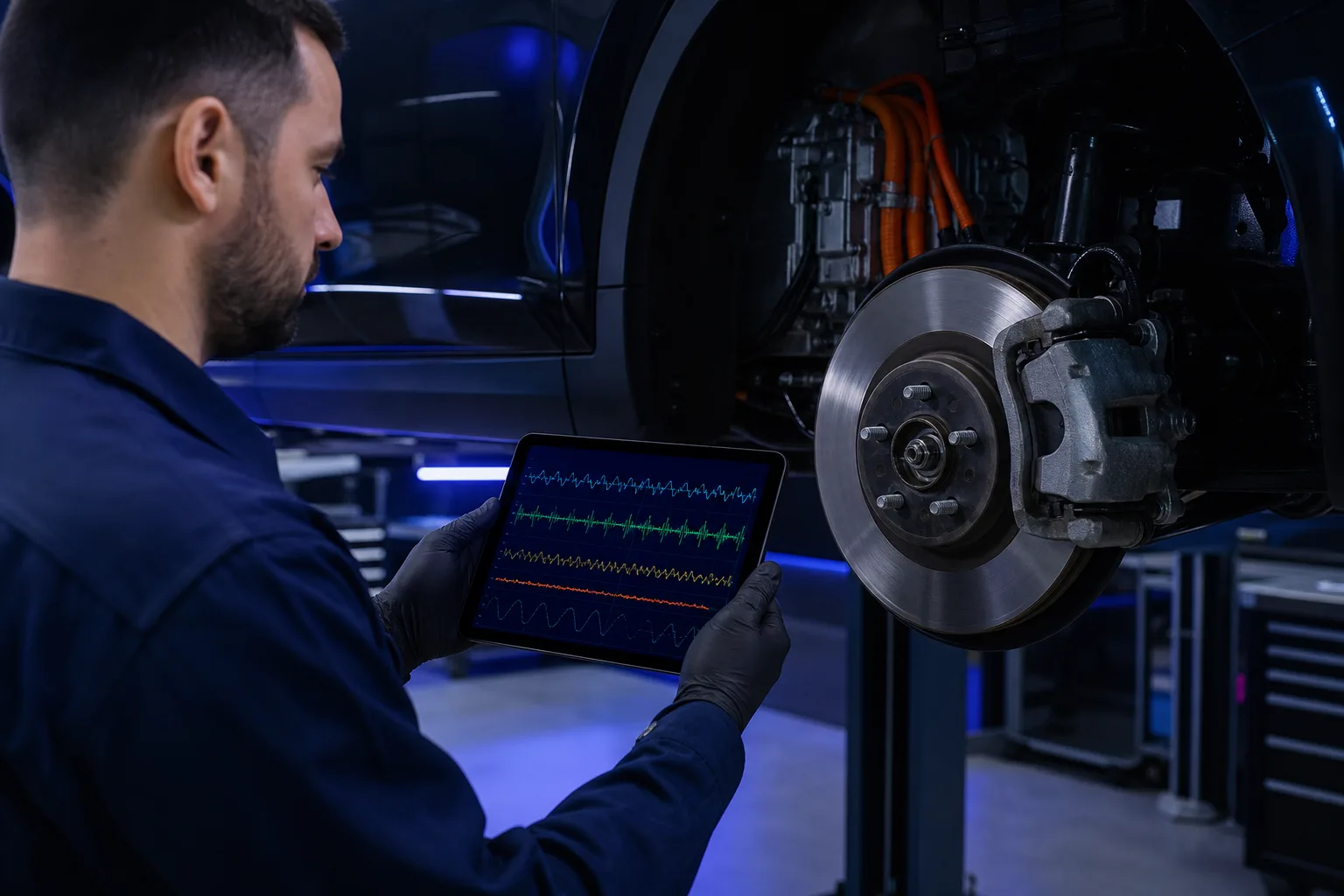
Warning lights and inconsistent brake feel on hybrid platforms often involve the regenerative circuit rather than conventional friction components alone. Correct diagnosis requires reading blended braking data, not just replacing pads and rotors.
How Blended Braking Works
Hybrid and electric vehicles coordinate friction brakes at the wheels with regenerative deceleration through the drive motor acting as a generator. The brake control module blends these inputs based on pedal position, vehicle speed, battery state of charge, and stability system demands. A fault anywhere in that coordination loop — wheel speed sensors, brake pedal position, inverter feedback, or the module itself — produces inconsistent pedal feel or stored fault codes.
Drivers often describe the issue as a hard pedal, soft pedal, or pulsation that does not match conventional brake wear patterns.
Common Warning Signs
- Brake or hybrid system warning lamp illuminated
- Reduced regenerative deceleration — longer coasting distance than usual
- Pedal feel changes between cold and warm operation
- ABS or stability intervention at low speeds during light braking
- Intermittent faults that clear after key cycle but return under braking
Sensor Drift vs. Module Failure
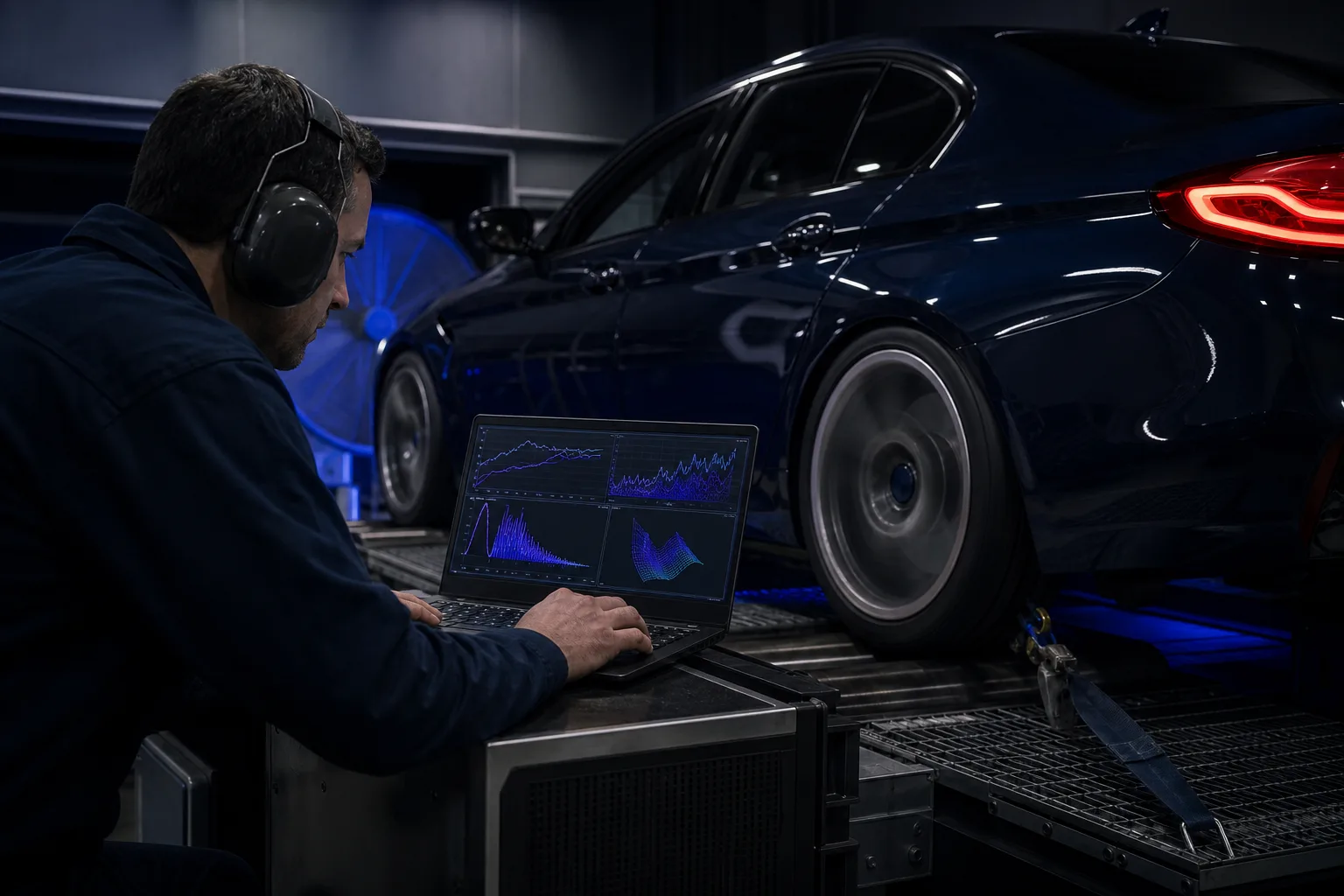
Wheel speed sensor signals must agree within tight tolerance during deceleration events. A drifting sensor produces erratic regenerative torque requests that the module may reject, triggering limp-mode blending that relies heavily on friction brakes alone. Live data comparison across all four wheel speeds during a controlled deceleration test often reveals the outlier corner.
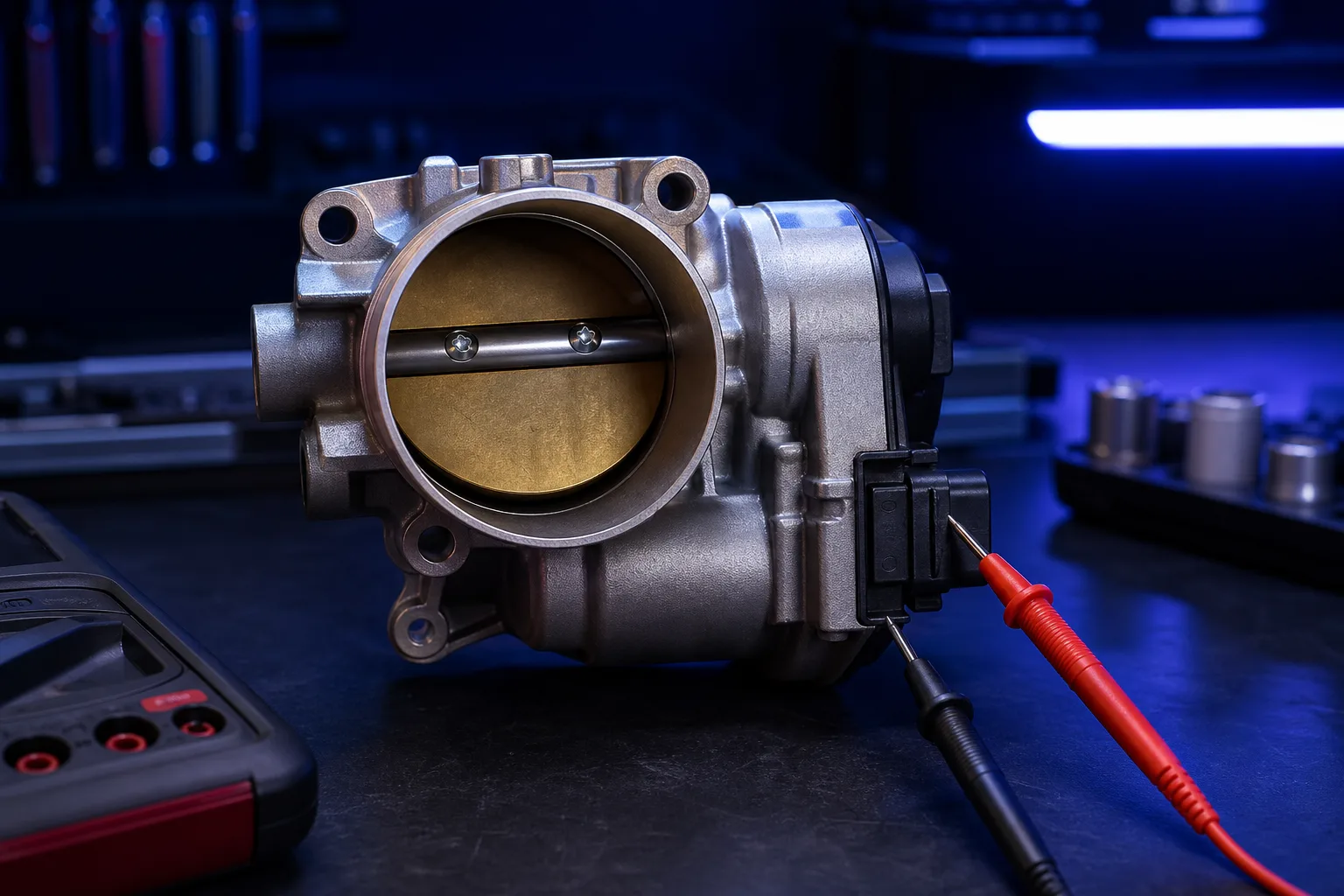
Module failures present differently — consistent fault codes, failure to execute recalibration routines, or loss of communication on the hybrid CAN bus. Before condemning a module, verify power and ground supplies, connector integrity, and software version compatibility after any prior repair work.
Recalibration and Verification
Many platforms require a brake pedal position sensor calibration and regenerative blending relearn after battery disconnect, control module replacement, or certain suspension repairs. Skipping manufacturer relearn procedures leaves the system operating with mismatched baseline values. After calibration, a road test capturing live data during light and moderate braking confirms normal torque blending has returned.
Vacuum reservoir and brake booster function on hybrid platforms that use vacuum-assisted friction braking must also be verified — low vacuum affects pedal feel independently of regenerative logic.
When to Seek Hybrid Bay Expertise
Regenerative braking diagnosis requires high-voltage safety protocols and hybrid-specific scan tool access. At telomeraseq, David Chen handles all hybrid and electrical braking cases with documented pre- and post-repair data. Reach our electrical bay if your hybrid vehicle shows brake warnings or inconsistent deceleration behavior.