Acceleration Hesitation: Separating Engine, Fuel, and Driveline Causes
A momentary power gap during acceleration can originate from throttle logic, fuel delivery, ignition timing, torque management, or driveline binding — and each requires a different diagnostic path led by the correct specialist domain.
Defining the Symptom Precisely
Hesitation is not a single fault — it is a driver-perceived gap in power delivery during a specific operating condition. Document when it occurs: from a stop, during highway passing, only when cold, only under full load, or after a gear change. Note whether the check engine light is present and whether the gap feels like a misfire, a transmission slip, or a momentary dead spot in throttle response.
Precise symptom description determines which specialist bay owns the initial diagnostic path — engine, transmission, or both in sequence.
Engine and Airflow Domain
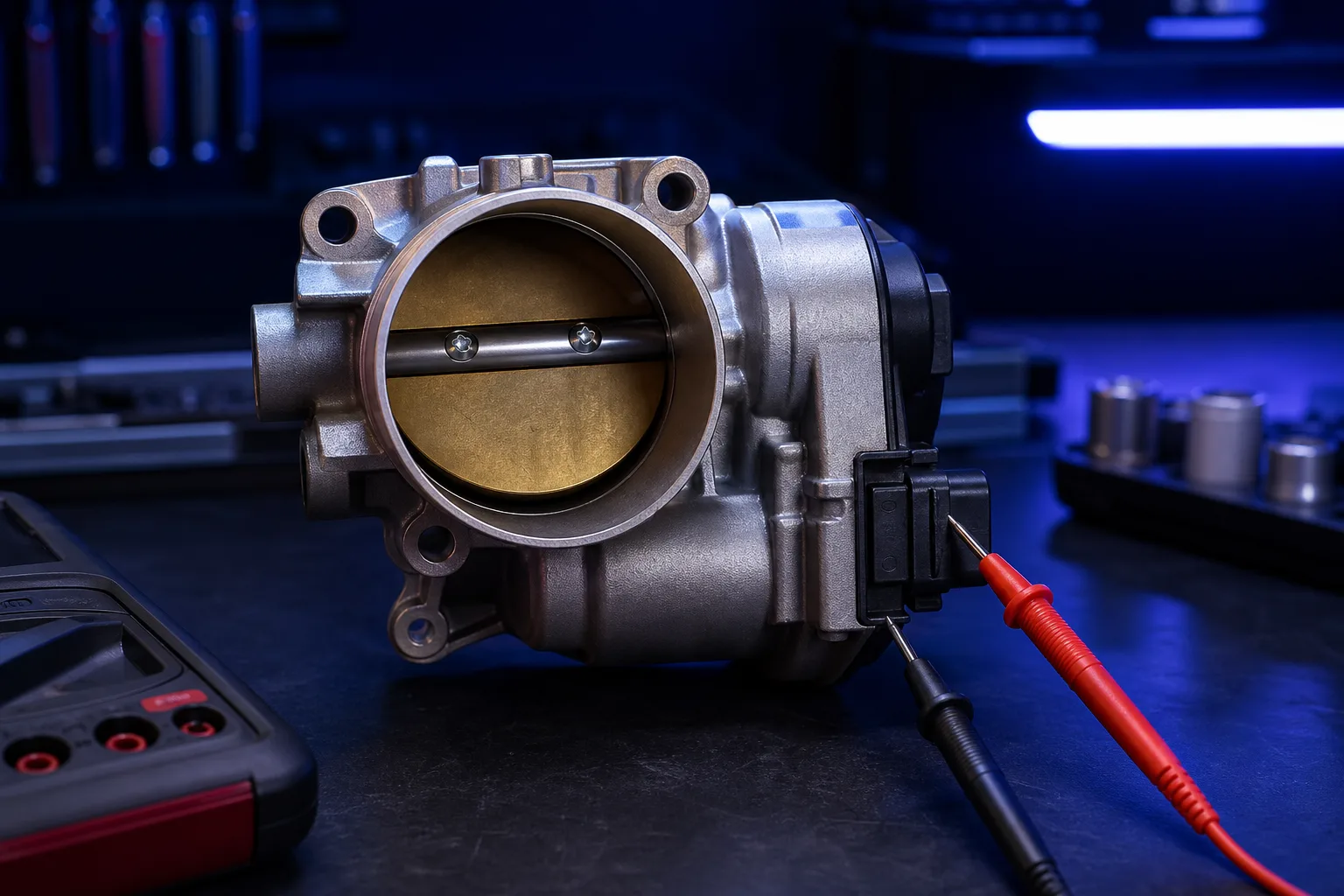
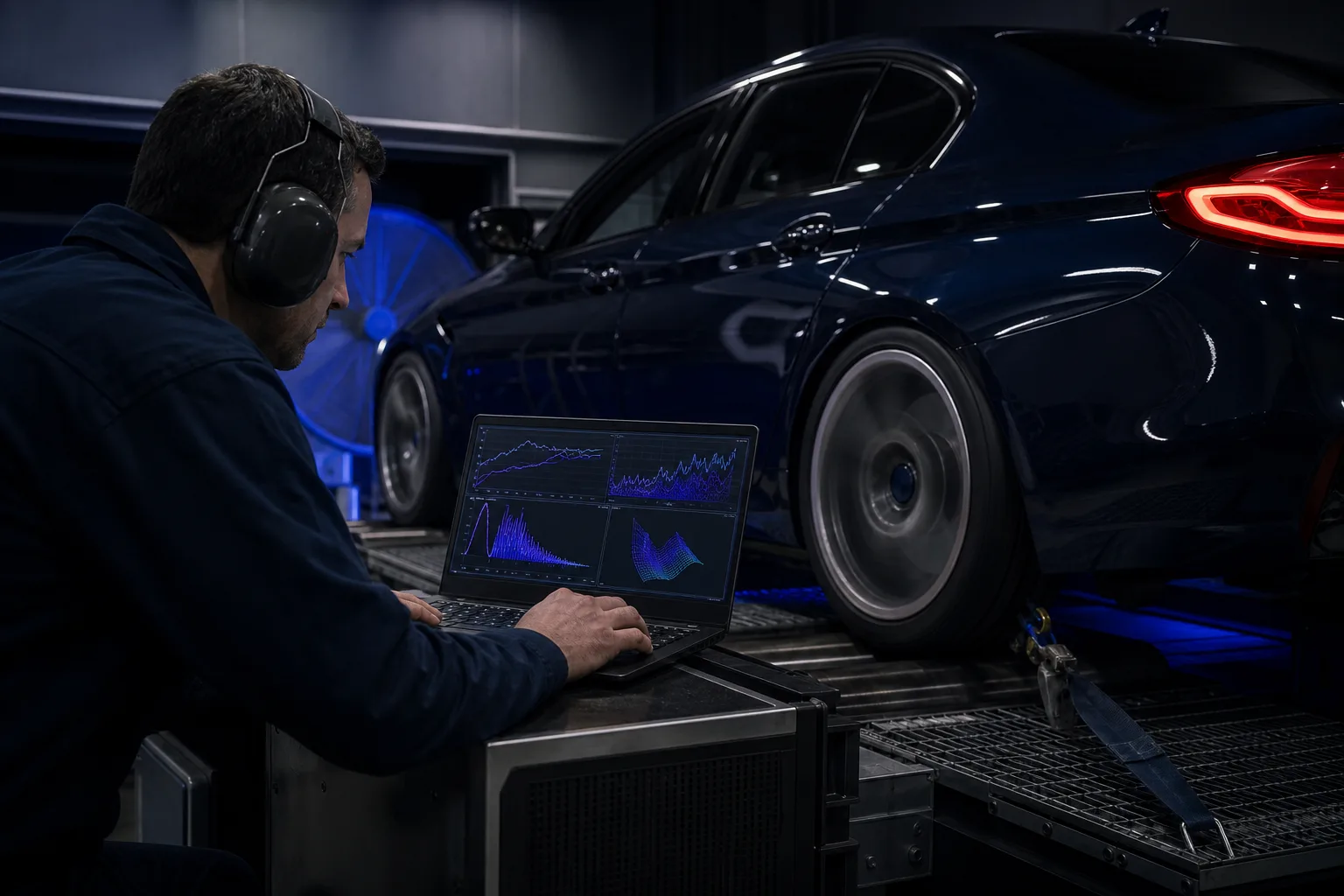
In the engine bay, hesitation on tip-in often traces to throttle body response lag, intake air leaks, or misfire under load. Live data during a controlled acceleration event should show whether commanded throttle angle matches actual angle, whether fuel trim spikes positive, and whether misfire counters increment on specific cylinders. Mass airflow sensor readings compared to calculated load help identify unmetered air entering the intake.
Ignition system weakness under load — worn coils, marginal spark plug gap — produces misfire that feels like hesitation but clears at steady cruise when load drops.
Fuel Delivery Factors
Low fuel pressure under acceleration demand causes a measurable lag between throttle input and torque response. Fuel pressure should be monitored during snap throttle events — a pressure drop below specification during the event confirms supply-side restriction or pump wear. Contaminated fuel or restricted injectors produce cylinder-specific lean conditions visible in short-term fuel trim per bank.
Replacing injectors without confirming pressure and volume test results often fails to resolve hesitation that originates upstream in the supply system.
Transmission and Driveline Domain
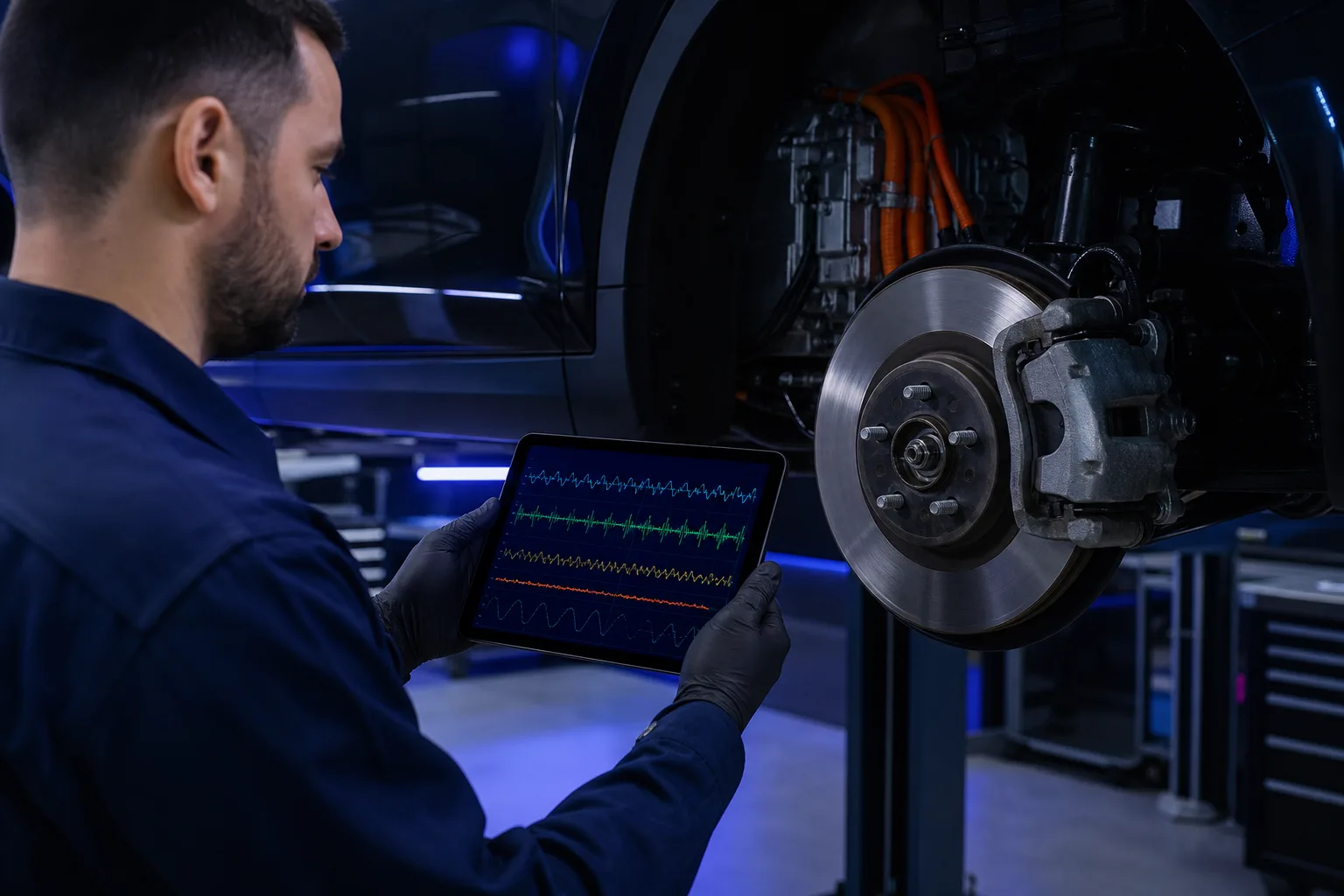
Torque converter clutch apply timing, shift solenoid response, and differential binding under load all produce hesitation that engine diagnostics cannot explain. If engine data is clean during the event — stable fuel trim, no misfire, throttle angles tracking — the case routes to the transmission bay for driveline evaluation.
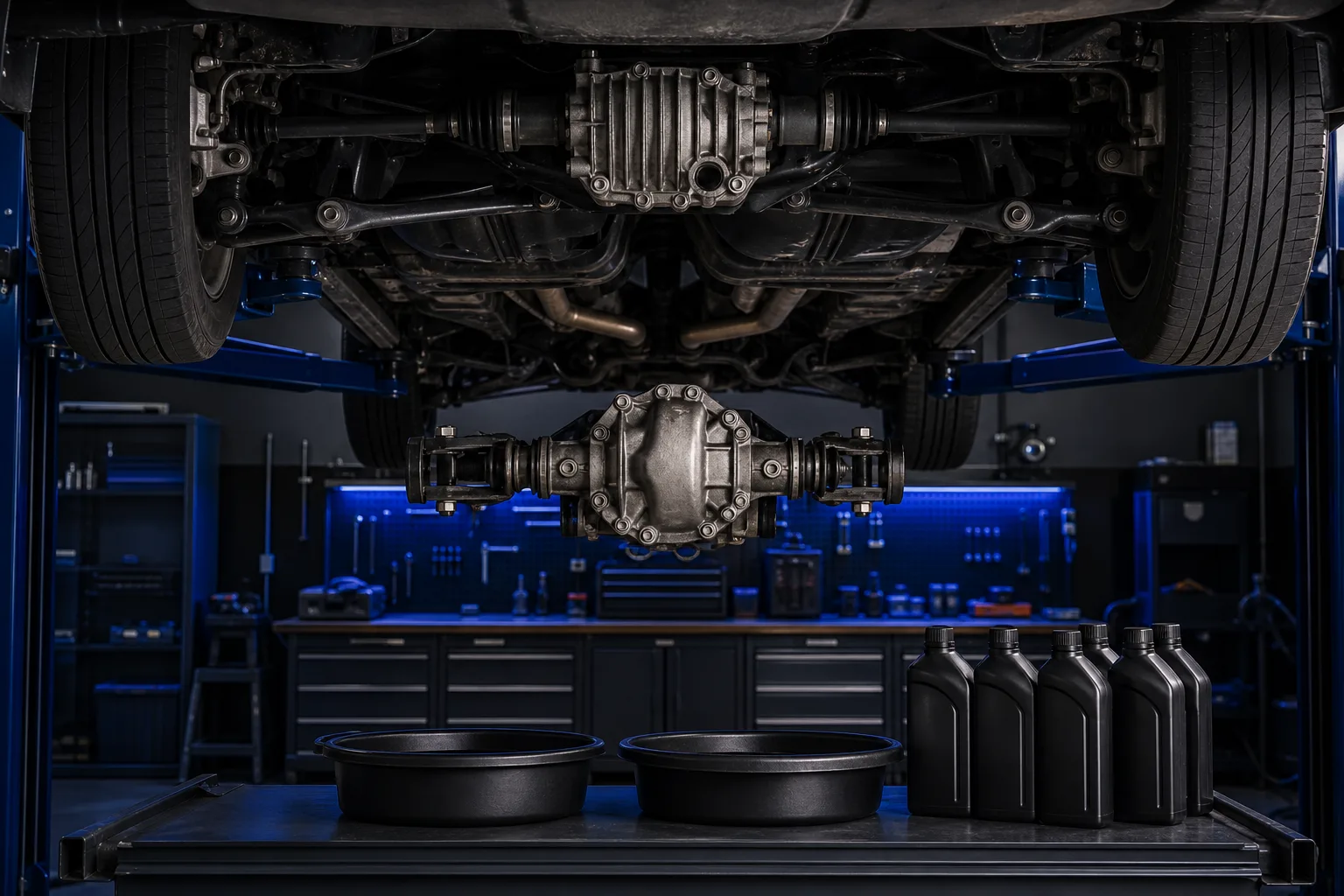
AWD vehicles add front and rear differential fluid condition as a factor. Binding in a degraded reducer feels identical to a transmission slip during initial acceleration from a stop.
Systematic Isolation Without Speculative Parts
The correct approach sequences domain-specific tests before any component replacement. Capture a data log during the symptom event. Identify which parameters deviate from baseline. Assign the fault to the domain that owns those parameters. Perform targeted verification within that domain before authorizing repair.
At telomeraseq, intake routing assigns each hesitation case to Marcus Reed for engine-domain faults or Elena Vance for driveline and shift logic concerns — with cross-bay coordination when data indicates multiple contributing factors. Describe your symptoms and we will assign the correct specialist from the start.